Auricular Acupuncture
What Is Auricular Acupuncture?
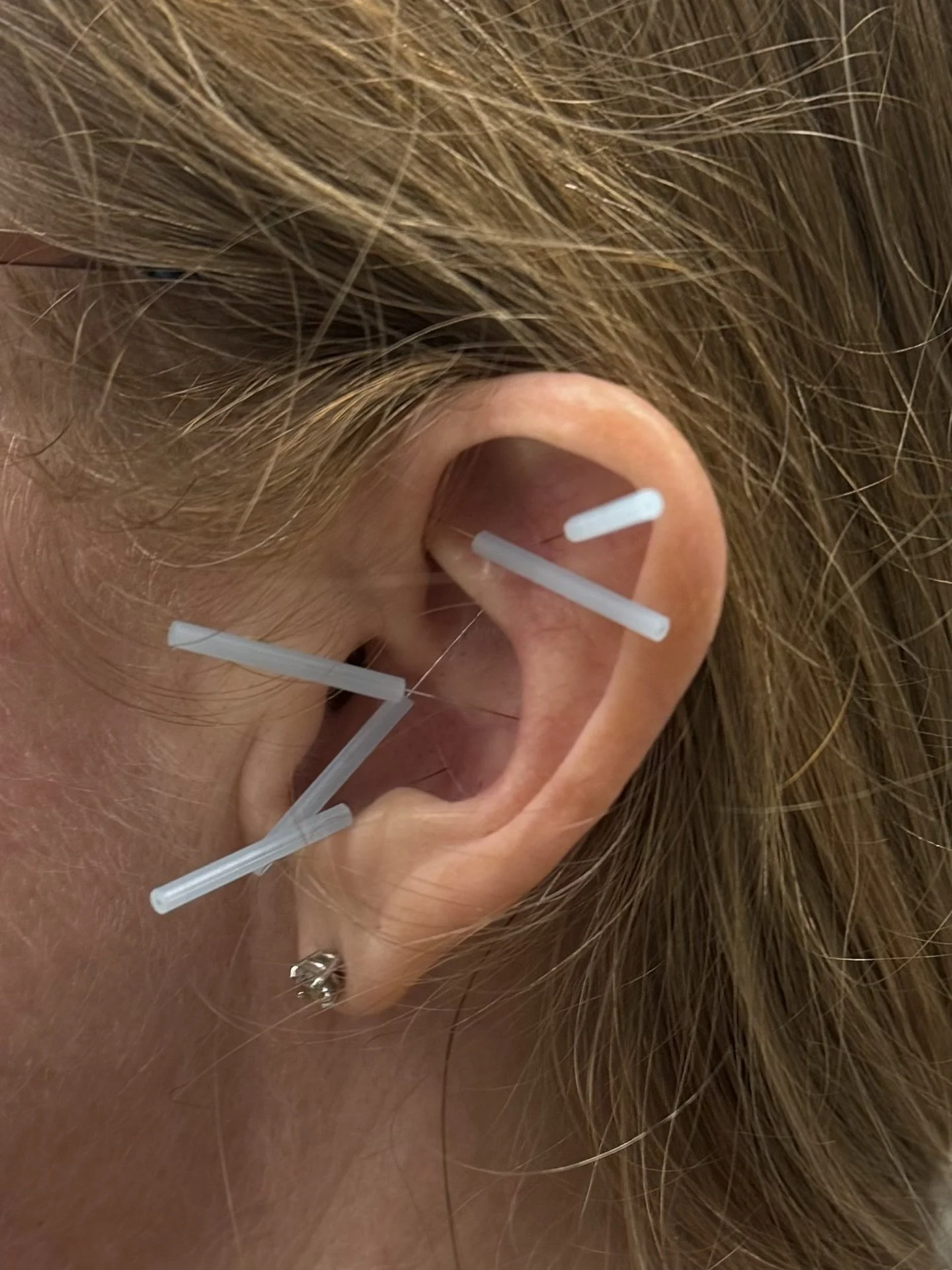
Auricular acupuncture, sometimes called “ear acupuncture,” is a therapeutic technique that uses small, sterile needles to stimulate specific points on the outer ear. Rooted in Traditional Chinese Medicine and later refined in the 1950s by French physician Dr. Paul Nogier, auricular acupuncture is based on the idea that the ear reflects a microsystem of the entire body. By stimulating precise points on the ear, this treatment can influence the nervous system, reduce stress, and restore balance throughout the body.
How It Works
The outer ear contains points that correspond with internal organs, emotions, and bodily systems. When these points are stimulated, the nervous system responds by releasing endorphins, regulating stress hormones, and calming overactive responses in the brain and body. Because of its ability to regulate the autonomic nervous system, auricular acupuncture has been widely used in medical, behavioral health, and recovery settings—including hospitals, treatment centers, and court-based recovery programs.
Efficacy
Research and decades of practice demonstrate that auricular acupuncture is effective as a complementary treatment for a variety of conditions. It is safe, non-invasive, and often produces calming effects within minutes. The National Acupuncture Detoxification Association (NADA) protocol, which uses five specific ear points, has been used worldwide to support individuals experiencing stress, substance use, and trauma recovery.
Conditions Auricular Acupuncture Can Support
-
Auricular acupuncture helps calm the nervous system, reduce racing thoughts, and promote a greater sense of relaxation and well-being.
-
By stimulating the release of endorphins and regulating stress hormones, ear acupuncture can lift mood, improve energy, and reduce feelings of hopelessness.
-
This treatment is effective in reducing hyperarousal, calming intrusive stress responses, and helping individuals feel more grounded and safe.
-
Auricular acupuncture supports emotional regulation, eases physical tension, and provides comfort during the grieving process.
-
The NADA protocol has been widely used in recovery programs to reduce cravings, ease withdrawal symptoms, and improve sleep during detox.
-
By addressing cravings and reducing irritability, auricular acupuncture can support individuals working to quit tobacco and other nicotine products.
-
Stimulating specific ear points can improve concentration, reduce restlessness, and promote calm, making it a supportive tool for managing ADHD symptoms.
What to Expect in a Session
During an auricular acupuncture session, tiny, sterile, single-use needles are gently placed at specific points on the outer ear. The process is safe and virtually painless—many people feel only a slight pinch as the needles are placed, followed by a sense of relaxation or calm.
A typical session lasts 30–45 minutes, during which you will be seated comfortably in a chair. The first session may start at 10-15 minutes and build to longer periods of time. Many clients report feelings of deep relaxation, reduced stress, or even taking a short nap during the session.
For best results, auricular acupuncture may be offered as a series of sessions, depending on your goals. Some individuals notice benefits immediately, while others experience gradual improvements with consistent treatment. This therapy can be used on its own or alongside counseling, medical care, or other wellness approaches to support holistic healing.

How Often Should I Come for Auricular Acupuncture?
Everyone’s needs are a little different, but here are some general guidelines:
If you’re going through detox, withdrawal, or very high stress: You may benefit from coming a few times a week at first to help your body and mind settle.
If you’re working on anxiety, depression, trauma, or ADHD symptoms: Many people start with once or twice a week, then space sessions out as they begin to feel better.
For ongoing wellness and maintenance: Some clients choose to come every couple of weeks or once a month as a “tune-up” to stay balanced and reduce stress.
Most sessions last 30–45 minutes, and many people notice benefits after just a few visits. The right schedule depends on your goals, but we’ll work together to find a pace that feels supportive and realistic for you.
FAQs
-
Most people feel little to no pain. You may notice a quick, tiny pinch as the needles are placed, but it usually fades within seconds. Many clients find the experience deeply relaxing.
-
Yes. Auricular acupuncture is very safe when performed by a trained professional. Sterile, single-use needles are always used, and the treatment is non-invasive.
-
A typical session lasts 30–45 minutes. You’ll be seated comfortably, and many people feel so relaxed they rest or even nap during treatment.
-
Some people feel calmer right after their first session, while others notice gradual improvements over a few visits. Consistency is key, especially when working on stress, trauma, or substance use recovery.
-
No. Auricular acupuncture works by stimulating the nervous system and encouraging the release of calming and balancing chemicals in your body. It can be effective regardless of your beliefs or previous experience.
-
Yes. Auricular acupuncture is widely used in recovery and detox settings to reduce cravings, ease irritability, improve sleep, and support emotional balance during withdrawal.
-
Absolutely. Auricular acupuncture is often used alongside therapy, medication, and other treatments. It complements—not replaces—other care, helping create a more well-rounded approach to healing.